
Partnering with AI
Artificial Intelligence has been part of our world for decades, steadily becoming more intuitive and integrating itself into both our personal and professional lives. Since the rise of generative AI around 2023, with innovations ranging from ChatGPT and Copilot to AI-powered translation in the latest AirPods, it’s clear that embracing these advancements is essential.
Over time, the general perception is becoming split between embracing and avoidance. According to a recent survey by Attitudes to AI, 24% of people used generative AI tools for getting information, 9% used it for writing emails and 8% used it for educational purposes. Conversely, a reported 66% of people are concerned that these tools may reduce the need for problem-solving or diminish critical thinking skills.
Surprisingly within the workspace, there has been a shift in perceptions. Whilst there is still a cloud of concern with job security and a lack of training and support, three times more employees are using gen ai for a third or more of their work than leaders imagine. More than 70% of all employees believe that within 2 years, generative AI will change 30% or more of their work.
In the workspace, AI should be regarded as a tool. By automating routine tasks, summarising large volumes of information, and streamlining communication, AI tools can give employees back valuable time to focus on higher-level thinking, creativity, and collaboration. For example, using tools like Microsoft Copilot, Notion AI, or ChatGPT can help teams draft proposals, plan projects, or generate insights in minutes instead of hours, freeing up mental bandwidth for strategy and innovation.
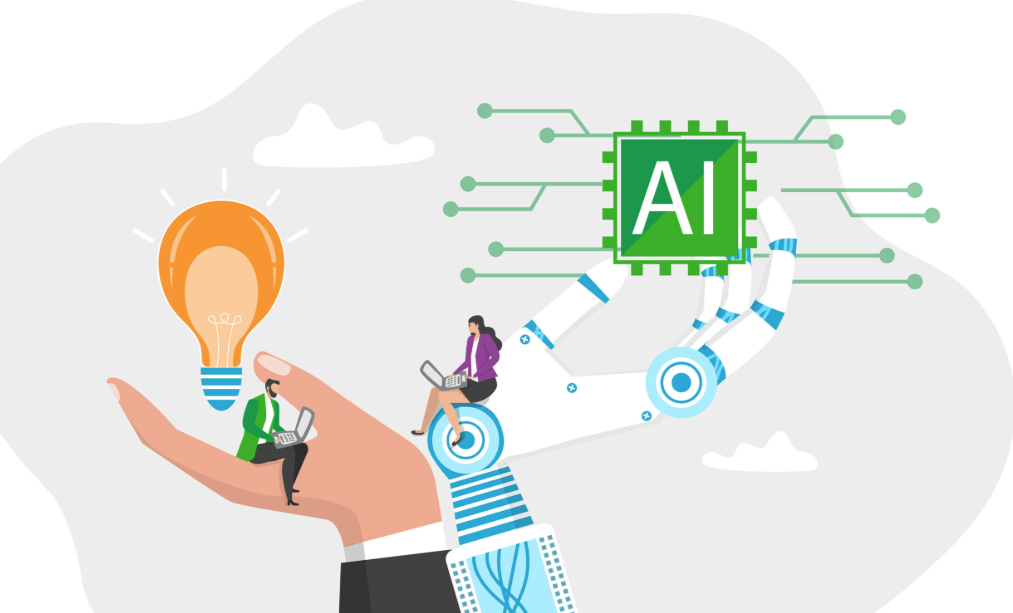
These tools can also play a vital role in promoting workplace inclusivity and accessibility. For neurodivergent individuals, including those with ADHD, dyslexia, or autism, AI can be transformative. Speech-to-text software, smart note-taking apps, and adaptive communication platforms can reduce cognitive load and provide personalised ways of working.
AI-powered meeting tools can automatically capture accurate notes, highlight key points, and generate clear summaries removing the pressure to listen, process, and write simultaneously. This not only supports concentration in the moment but also ensures nothing important is missed. Features such as action-item extraction and keyword tagging help individuals revisit essential information quickly, maintain momentum on tasks, and stay organised without being overwhelmed by dense or fast-moving discussions.
Generative AI can help clarify complex instructions, structure information visually, or rephrase text for clarity supporting focus, comprehension, and confidence.
When used thoughtfully, AI doesn’t replace human intelligence; it enhances it. It enables people to work in ways that suit their individual strengths, creating more efficient, balanced, and inclusive workplaces. Partnering with AI is not just about keeping pace with technology, it’s about designing a future of work that empowers everyone to thrive.